Seattle homeowners face a specific challenge when planning a bathroom update. Older housing stock, high labor demand, strict permit rules from the Seattle Department of Construction & Inspections (SDCI), and a climate that makes moisture management non-negotiable — these factors all shape what a bathroom remodel looks like and what it costs in this city. Choosing the best bathroom remodeling services in Seattle, WA takes more than finding a contractor with a good price. It takes someone who understands the local permit process, knows which waterproofing systems hold up in the Pacific Northwest’s damp conditions, and can coordinate trades — plumbing, electrical, tile, and carpentry — without leaving gaps in the timeline. Washington Custom Painting and Remodeling handles these projects for Seattle-area homeowners, covering everything from layout planning and permit applications through final fixtures and tile work.
According to the 2024 Cost vs. Value Report, a midrange bathroom remodel in Seattle recoups a strong return at resale. The National Association of Realtors’ Remodeling Impact Report found that 73% of homeowners wanted to spend more time at home after remodeling a bathroom — a number that speaks to how much this room shapes daily life, not just property value. Getting the scope, materials, and contractor right from the start makes the difference between a remodel that holds up for fifteen years and one that starts showing problems in three.
Remodel types and material options for Seattle bathrooms
Not every bathroom project starts from the same place. Some Seattle homeowners need a full gut renovation — pulling everything down to the studs, upgrading aging plumbing lines, and rebuilding from scratch. Others want a targeted refresh: a new vanity, updated tile, and better lighting without touching the floor plan. Knowing which category your project falls into shapes every decision that follows.
A cosmetic update focuses on surfaces and fixtures without moving plumbing or altering the layout. This covers new tile, vanity replacement, mirror and lighting upgrades, and fresh caulking. Projects in this range often stay under Seattle’s $6,000 threshold for minor repairs, meaning a permit may not be required — though any work that touches electrical wiring or drain lines still triggers permit requirements regardless of cost.
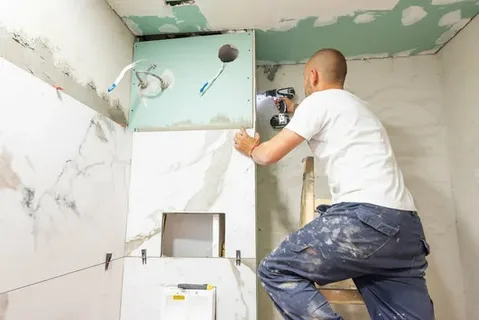
A partial remodel goes deeper. Replacing a tub with a walk-in shower, for instance, requires a plumbing permit in Seattle because current code mandates a 2-inch shower drain, and many older Seattle homes have only a 1.5-inch drain on existing tubs. This is a common situation in Seattle’s older neighborhoods like Capitol Hill, Wallingford, and Fremont.
A full gut remodel strips the room to the subfloor and framing. This is the right call when water damage, outdated galvanized pipes, or mold behind tile makes a surface-level fix impractical. Full remodels require coordinated plumbing, electrical, and building permits from SDCI.
Here is a clear comparison of the four main remodel tiers:
| Remodel Type | Scope | Permit Required | Best For | Timeline |
| Cosmetic Update | Fixtures, tile, paint, lighting | Typically not | Guest baths, rental units | 1–2 weeks |
| Partial Remodel | Shower/tub swap, vanity, layout tweak | Plumbing/electrical likely | Outdated but structurally sound baths | 2–4 weeks |
| Full Gut Remodel | Down to studs, all trades involved | Yes — multiple | Water damage, old pipes, full redesign | 4–8 weeks |
| Accessible Remodel | Curbless shower, grab bars, wider doors | Yes — construction + trades | Aging-in-place, mobility needs | 3–6 weeks |
Tile material choice matters a great deal in Seattle’s moisture-heavy climate. Porcelain tile outperforms ceramic in wet-area applications because of its lower porosity and better freeze-thaw resistance. For shower floors, smaller mosaic tiles with more grout lines provide better traction and drainage than large-format tiles. A licensed remodeling contractor in King County pointed out that waterproofing membrane selection — specifically products like Schluter Kerdi or RedGard applied to all wet-area surfaces before tile goes on — is the single most important decision in a Seattle bathroom remodel. Without it, moisture works into the substrate and causes rot that only shows up years later.
Step-by-step: How the remodeling process actually unfolds
Most budget overruns on a bathroom project begin with the absence of a process roadmap. The industry-standard procedures that Best bathroom remodeling services in Seattle, WA, employ will help keep the trades moving in the right order and avoid costly do-overs.
“Planning and Designing Come First”. This entails assessing the space, recognizing functional limitations, and determining a plan prior to ordering materials. In the older residences of Seattle, opening the walls often uncovers surprises: an old wiring here, cast-iron drain lines there awaiting replacement, patch jobs to previous water damage. Savvy contractors create contingency plans within the schedule and budget for precisely the same reason
Permit applications take place after design. Any project that involves plumbing needs to pass through Public Health – Seattle & King County.
You get electrical permits directly through SDCI. A construction or alteration permit covers structural and layout changes. STFI permits from SDCI can be issued before the normal review timeline of one to two days for straightforward projects.
Demolition Takes Place Upon Permit Approvals The current tile, fixtures, and drywall will be removed. Once any mold or rot on the walls is dealt with, new framing or waterproofing can begin at this stage.
Rough-in work involves plumbing, electrical, and framing changes. A rough-in inspection of all of these is needed before the wall closes up. Before any drywall or cement board is put up, SDCI inspectors check that work is to current code.
After our installation of fixtures and an inspection, we are able to close the project. After tiling is grouted and set, the vanities, toilets, shower hardware, mirrors, and lighting go in. Final checks by plumbing, electrical, and building inspectors verify that everything meets the building codes adopted in Seattle before project closeout.
What drives the cost of bathroom remodeling in Seattle
Labor rates and trade coordination
Seattle’s construction labor market sits consistently above national averages. Electricians, plumbers, and tile installers in the area charge between $75 and $125 per hour, according to regional contractor data. Labor commonly accounts for 40% to 60% of a total bathroom remodel budget — meaning the condition of existing surfaces and the complexity of trade coordination directly drive the final number.
Older Seattle homes, many built between 1920 and 1970, add cost because opening walls frequently reveals outdated galvanized pipes, knob-and-tube wiring, or subfloor damage that needs repair before new finishes go on. Contractors who regularly work in Seattle neighborhoods like Beacon Hill, Queen Anne, and the Central District know to build contingency time into estimates for exactly this kind of discovery.
Material selection and fixture grade
The grade of tile, vanity, fixtures, and hardware you choose makes a significant difference in both upfront cost and long-term durability. Porcelain tile for shower surrounds runs from budget options to premium large-format stone-look panels. Vanity cabinets range from stock configurations to semi-custom units with soft-close drawers and built-in organization.
Choosing materials that suit Seattle’s climate and humidity is more practical than chasing a specific aesthetic at the expense of function. Matte-finish porcelain for floors, moisture-resistant paint on walls outside the shower zone, and GFCI-protected outlets throughout the bathroom are all standard expectations in this climate — not upgrades.
Companies like Washington Custom Painting and Remodeling, which focuses on residential remodeling across the Seattle area, handle material sourcing, trade scheduling, and permit coordination as part of the full project scope. That kind of integrated approach reduces the schedule gaps and miscommunications that push remodel timelines — and budgets — beyond original estimates.
How to find the right contractor for bathroom remodeling in Seattle
To successfully locate dependable and Professional bathroom remodelers near me in Seattle, WA and bathroom experts, check the reviews does not suffice. The contractor you choose must have specific credentials and a proven process for working through Seattle’s regulatory environment.
Check the registration of contractors to the Department of Labor and Industries (L&I). Remodeling contractors shall maintain an active registration, a surety bond, and general liability insurance of at least $50,000 in property damage and $200,000 in public liability. Working with an unlicensed contractor takes away all protections and will end up making permit and resale issues down the road.
Inquire specifically about the permit process of Seattle. A contractor without experience handling SDCI permits will take weeks longer simply to learn SDCI’s system. A local contractor with experience has established processes for submitting applications through the Seattle Services Portal and coordinating trade inspections.
Always request a detailed written scope before signing anything. A good proposal mentions the name of the waterproofing system by product, the specifications and area of use of the tile, brands and models of the plumbing fixture, scope of electric work and who will obtain the permit. Disputes over what a vague proposal includes are nearly impossible to resolve if they do not specify the work.
Local contractors specializing in bathroom remodeling in Seattle such as Washington Custom Painting and Remodeling carry trade-specific insurance, have an up-to-date L&I registration, and have enough familiarity with the building codes of Seattle to be able to recommend which projects will require a permit and before work starts. This helps avoid the expensive scenario of having work carried out without the necessary approvals which then has to be redone or disclosed when reselling.
Conclusion
Careful planning, material choices well suited to the Pacific Northwest and working with a competent contractor who fully understands Seattle’s permit process all help reward homeowners with a successful bathroom remodeling.
Contact Washington Custom Painting and Remodeling for a walkthrough of the project and an estimate for your bathroom remodeling services in Seattle, WA when you are ready to go. Their team can evaluate the condition of the current bath, discuss materials used in chilly Seattle climate, handle the permits and trade coordination so the work proceeds smoothly from the demo to the final inspection.
Frequently Asked Questions
Are permits required for a bathroom renovation in Seattle, WA?
Most full bathroom remodels require at least one permit. Construction and electrical permits are handled by SDCI of the city whereas plumbing permits are handled by Public Health – Seattle & King County. Not all minor cosmetic repairs under $6,000 may be exempt, but works that involve plumbing alteration, installation of new electrical circuits, enlargement, addition or alteration of openings in loadbearing walls or other structural alteration require the appropriate permit and inspection.
The average cost of bathroom remodeling in Seattle, WA is?
The scope of the project, age of the home, and materials will all affect pricing. Cosmetic changes are often less than a partial remodel. At the higher end are full gut renovations of older Seattle homes with plumbing or electrical upgrades.
What materials stand up best for bathroom remodeling in Seattle’s wet climate?
Porcelain tile is less porous than ceramic, making it ideal for wet areas. In the Pacific Northwest, it is routine to install a waterproofing membrane, like Schluter Kerdi or RedGard, behind all shower tiles. Compared to regular sanded grout, in Seattle’s high-humidity bathrooms, epoxy grout resists mildew much more effectively, while moisture-resistant drywall or cement board should be used on all wet walls.
How long does it take to remodel a bathroom in Seattle?
A full gut remodel in Seattle generally takes four to eight weeks, taking into consideration permit approval time, scheduling of the trades, and inspections. A short partial remodel can take two to four weeks. Sometimes, projects in old Seattle homes take more time when walls get opened and extra work is needed, as they discover there is hidden damage, water coming in, old wiring or bad drain lines.
Most full bathroom remodels require at least one permit. Construction and electrical permits are handled by SDCI of the city whereas plumbing permits are handled by Public Health – Seattle & King County. Not all minor cosmetic repairs under $6,000 may be exempt, but works that involve plumbing alteration, installation of new electrical circuits, enlargement, addition or alteration of openings in loadbearing walls or other structural alteration require the appropriate permit and inspection.
The scope of the project, age of the home, and materials will all affect pricing. Cosmetic changes are often less than a partial remodel. At the higher end are full gut renovations of older Seattle homes with plumbing or electrical upgrades.
The scope of the project, age of the home, and materials will all affect pricing. Cosmetic changes are often less than a partial remodel. At the higher end are full gut renovations of older Seattle homes with plumbing or electrical upgrades.
Porcelain tile is less porous than ceramic, making it ideal for wet areas. In the Pacific Northwest, it is routine to install a waterproofing membrane, like Schluter Kerdi or RedGard, behind all shower tiles. Compared to regular sanded grout, in Seattle’s high-humidity bathrooms, epoxy grout resists mildew much more effectively, while moisture-resistant drywall or cement board should be used on all wet walls.
A full gut remodel in Seattle generally takes four to eight weeks, taking into consideration permit approval time, scheduling of the trades, and inspections. A short partial remodel can take two to four weeks. Sometimes, projects in old Seattle homes take more time when walls get opened and extra work is needed, as they discover there is hidden damage, water coming in, old wiring or bad drain lines.