Avoid pitfalls with reliable bathroom remodeling services in Seattle, WA. Learn the most common bathroom remodel mistakes and how to pick the right contractor.
Bathrooms in Seattle homes tend to age faster than people expect. Damp winters, long shower routines during cold months, and the city’s older housing stock all push these small rooms hard. Cracked grout in a Ballard Craftsman, peeling paint in a West Seattle Tudor, and mildew along the ceiling in a Capitol Hill condo all tell the same story.
That is where seasoned firms like Washington Custom Painting and Remodeling step in, walking owners through layout choices, waterproofing details, and material selections that matter most in our wet climate. Picking Reliable Remodeling services in Seattle, WA means working with a team that knows how the city’s permit office handles plumbing relocations and which tile underlayments hold up across long heating seasons. If you are shopping for the Best Bathroom remodeling services in Seattle, WA, knowing the common mistakes saves you from cheap fixes that look good on day one and fall apart by year three.
This guide walks you through why bathroom remodels matter, the typical layout and material options, the build process, what shapes the bill, and how to vet a contractor.
Why bathroom remodels rank high on Seattle improvement lists
Bathrooms see more daily wear than almost any other room in the house. Hot showers, heavy humidity, splashed water, and constant fixtures all hammer a small space year after year. Older Seattle homes around Queen Anne, Phinney Ridge, and the Central District often carry original bathrooms that were never properly waterproofed by today’s standards.
What pushes owners to actually move on a remodel? Daily friction leads the list. A single bathroom shared by four people slows down every weekday morning. Tubs that drain slowly, vanities with one cracked sink, and toilets that wobble all become little daily irritations until someone finally calls a contractor.
Health concerns push the timeline too. Mold and mildew thrive in poorly ventilated bathrooms, especially in homes without proper exhaust fans rated for the room’s square footage. According to the U.S. EPA, indoor mold exposure can trigger respiratory issues and allergic reactions in sensitive groups, with bathrooms being one of the most common growth areas in residential homes.
Resale value plays a quiet but real role. According to the 2024 Cost vs. Value Report from Zonda Media, midrange bathroom remodels in the Pacific region recovered roughly seventy-five percent of their cost at resale, with universal-design and aging-in-place updates often beating that figure. Real estate listings around Magnolia and Ravenna routinely highlight updated bathrooms as a strong selling point.
A licensed remodeler we work with in the Seattle area put it plainly: “Bathrooms reward owners who slow down at the design table. Five extra hours of planning saves five extra days during construction.” Owners shopping for Reliable Remodeling services in Seattle, WA often start their planning during the cooler months when contractor calendars open up and material lead times shorten.
Layout choices and material picks for our wet climate
Picking the right layout and material package shapes whether your new bathroom holds up for a decade or starts showing trouble by year three. Each option carries its own balance of cost, lifespan, and look.
Layout decisions come first. Powder rooms and half-baths can stay simple, since no plumbing relocation is usually needed. Three-quarter baths with a shower add waterproofing scope. Full bath remodels with a tub-and-shower combo or a full primary suite with double vanities call for the most planning. Wet rooms with curbless showers have grown in popularity for accessibility and modern looks, especially in newer Beacon Hill and Columbia City builds.
Tile and waterproofing decisions follow next. Cement boards such as Durock or HardieBacker remain the basic standard behind tile. Liquid-applied membrane systems from brands like Schluter Kerdi, RedGard, and Hydro Ban take waterproofing further by isolating the substrate from any future leaks. Skipping the waterproofing layer is one of the most common mistakes in older Seattle bathrooms.
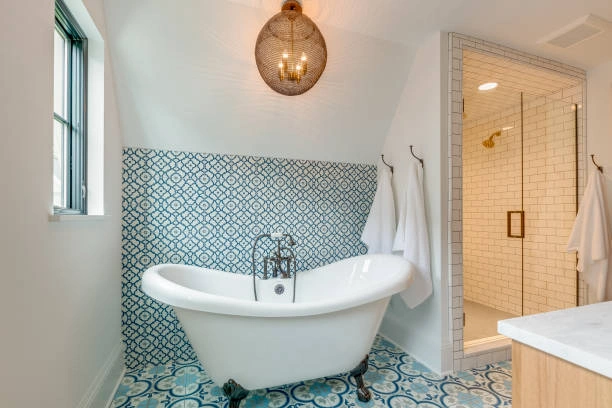
Fixture and finish picks set the look. Quartz vanity tops, undermount sinks, frameless glass shower enclosures, brushed nickel or matte black fixtures, and porcelain tile all show up in current Seattle remodels. Premium fixtures from Kohler, Delta, Hansgrohe, and Toto deliver real warranty support compared with budget brands.
Ventilation gets overlooked far too often. The 2018 International Mechanical Code, adopted with amendments by the City of Seattle, requires bathroom exhaust fans rated to move at least fifty cubic feet per minute (CFM) intermittently or twenty CFM continuously, vented to the outside. Adding a quality Panasonic WhisperGreen or Broan SmartSense exhaust fan during a remodel prevents most mold and humidity issues across long Pacific Northwest winters.
A team handling the Best Bathroom remodeling services in Seattle, WA matches finish picks and waterproofing systems to your daily routine and home age rather than pushing one product line across every job.
| Bath Type | Typical Timeline | Disruption Level | Best For |
| Powder room refresh | 1-2 weeks | Low | Quick updates, no plumbing moves |
| Three-quarter bath | 3-5 weeks | Medium | Standard upgrades, shower swaps |
| Full bath remodel | 4-6 weeks | Medium-high | Tub-shower combos, family use |
| Primary suite remodel | 5-8 weeks | High | Double vanities, custom showers |
The bathroom remodeling sequence from design to final caulk
Regardless of budget tier, every bathroom remodel follows roughly the same path. By being aware of each step, you’ll be able to identify a crew that is skipping waterproofing or rushing plumbing inspection, where most early failures start.
First select the one. The contractor gauges the area, crafts layouts, and assists you with fixtures, tile, vanities, lighting, and ventilation. For a single restroom, this stage typically takes two to four weeks. Making every material selection before the begin of the demo prevents change orders and keeps the schedule on track.
The permits are obtained after the design freeze. The Seattle Department of Construction and Inspections (SDCI) requires to acquire any plumbing work, changes to electrical other than swapping out fixtures, or structural work tied to the project. If you swap out an already existing fixture in the same location for the exact fixture, you don’t need a permit. But a toilet move or a shower wall expansion does. The amount of time for the review of permit takes 3-6 weeks depending upon the scope.
Demolition starts the process of building. Remove the old tiles, fixtures, drywall, and any failed substrate, leaving the studs.EMPTY Homes in Capitol Hill and Wallingford that were constructed prior to 1980 could contain knob-and-tube wiring, galvanized water lines, and flooring adhesives made of asbestos behind original surfaces that need to be addressed.
The electrical, plumbing & waterproofing are done with wet walls. Before we tile, our plumbers redirect your supply and drain lines, electricians add GFCI-protected circuits and exhaust fan wiring, and the waterproofing crew installs the membrane system. The SDCI inspects before your drywall closes you back up.
the work finish wraps up the project After placing tile sets onto the membrane, install the cement board on the floor. Finish the shower and floor with thinset and grout. The installation of vanity, toilet, faucets, lights, and accessories is done in a sequence. Whether the general contraction is powdery or granular, it will. A team’s Reliable Remodeling in Seattle, WA ends with punch-list walk-through. They check caulking joints, drain flow, and vent operation there. And final payments do not change hands until completed.
Budget drivers and selecting a Seattle remodeler
Two bathroom remodel quotes with similar square footage can land at very different totals. The drivers come down to scope depth, material picks, and hidden conditions uncovered during demolition.
Factors that shape your Seattle bathroom budget
Changes in design bear heavy weight. To keep costs down, plumbing should stay in its original location. Plan carefully, because moving a toilet across the room, expanding a shower into an adjacent closet or relocating a vanity wall adds rough plumbing scope and possibly structural work if involving a load-bearing wall.
The second biggest drawing variable is the selection of a tile and a substrate. The lower end consists of standard porcelain tilers and basic cement boards. Although designer tile, large-format slabs, natural stone, and full liquid-applied membrane systems are expensive, they enhance service life. Shower niches and built in benches add labor hours.
Home age is more significant than expected for first-time remodelers. Houses built before 1960 may contain faulty plumbing like cracked cast iron drain lines or galvanized supply lines that have become impassibly narrow from inner build up. When walls open, code requires upgrades. A contingency budget of ten to fifteen percent will alleviate worry from these discoveries.
There are increasing costs across the Seattle metropolitan economy. As per the 2024 Workforce Survey by the Associated General Contractors of America, 86 percent of construction firms in the western United States had a hard time filling skilled craft positions. As many construction projects are high on demand the pressure has increased on the workers.
How to vet a bathroom remodeler in the area
Begin by credentialing. Washington state law says all contractors must register with the Department of L&I as well as have and keep an active surety bond and liability insurance. Check the contractor’s L&I registration online, get their general liability and workers’ compensation in writing before signing anything.
References narrate the rest of the story. Request three completed bathroom remodels from the last 12 months in Seattle neighborhoods and call those homeowners. Did the team shield the home’s other rooms against the deconstruction? What did they find hidden behind the wall after it opened? How well does the waterproofing hold up after a year?
A remodeler working mostly on bathrooms and small kitchens throughout the Seattle metro, such as Washington Custom Painting and Remodeling, already knows which permit reviewers handle which of the city’s east and west neighborhoods, which subcontractors really deliver, and how to detail the waterproofing for our wet climate. A specialized background like that is often better than hiring a jack-of-all-trades crew or a national chain that subcontracts the actual tile and plumbing work.
Every budget deserves scrutiny. The top-notch bathroom remodeler in Seattle, WA stipulates in writing the tile brand and size, waterproofing system, fixture brand and model, vanity construction, ventilation specs, demolition scope, permit handling, and warranty. Redundant Bids Mask Gaps That Become Costly Change Orders During Construction.
FAQ’s
How long does a typical bathroom remodel take in Seattle?
Most full bathroom projects in the city run four to six weeks from demolition to final walk-through. The powder room refreshes the wrap in one to two weeks. Primary suite remodels can stretch to eight weeks for larger custom showers and double-vanity layouts. Permit review and material orders add three to six weeks on the front end.
Do I need a permit for a bathroom remodel in Seattle?
Yes, the Seattle Department of Construction and Inspections requires permits for any bathroom project that relocates plumbing, adds new electrical circuits, or alters structural elements. Cosmetic refreshes like paint, fixture swaps in the same location, or new vanities usually do not require a permit. Your contractor should pull required permits on your behalf.
What pushes Seattle bathroom remodel costs higher than expected?
Plumbing relocations, asbestos abatement in older homes, undersized electrical service requiring panel upgrades, designer tile selections, custom shower glass, and structural changes for layout expansion all push budgets higher. Older Capitol Hill, Wallingford, and Ballard homes often need more code upgrade work than newer builds across South Lake Union or Roosevelt.
Which materials hold up best in Seattle’s wet bathroom conditions?
Porcelain tile from brands like Daltile, large-format slabs from Crossville, liquid-applied membrane systems from Schluter Kerdi or RedGard, quartz countertops from Cambria, and quality exhaust fans from Panasonic WhisperGreen or Broan SmartSense all handle Pacific Northwest humidity very well. Proper waterproofing matters as much as the finish materials for long-term performance.
What is the most common bathroom remodel mistake in Seattle homes?
Skipping or rushing the waterproofing layer behind tile ranks at the top of common mistakes across the city. Older Seattle bathrooms often used drywall behind shower tile, which fails within years in our humid climate. Pairing modern membrane systems with proper exhaust ventilation prevents most mold and substrate failures during the remodel’s life.
Conclusion
A solid bathroom remodel is all about choosing the right people, making selections during design, and reading the proposal closely before you sign anything. Take time to verify L&I registration, check references locally, and verify systems in writing. The combination of Seattle’s older housing stock, moist climate and tight permit calendars rewards owners who plan ahead with durable materials. As soon as you are ready, contact Washington Custom Painting and Remodeling to schedule a free in-home consultation. Without pressure, the team can walk you through layout options, material choices and realistic timelines.