New to home renovation? Use this beginner’s guide on reliable remodeling services in Seattle, WA. Learn project types, the process, costs, and contractor tips.
First-time remodeling can feel like a foreign language. Words like “rough-in,” “punch list,” “load-bearing wall,” and “permit set” get thrown around in early contractor meetings, and most homeowners nod along without really knowing what comes next. That early confusion is exactly why so many Seattle remodels end up running over budget and behind schedule.
That is where seasoned firms like Washington Custom painting and remodeling step in, helping owners across Magnolia, Wallingford, Beacon Hill, and Rainier Valley sort through choices before any walls come down. Working with Reliable Remodeling services in Seattle, WA means partnering with people who understand how the city’s permit office works, which materials survive our wet climate, and how to schedule trades around real-world delays. If you are searching for the Best Remodeling companies services in Seattle, WA, knowing what to ask, what to skip, and what to plan for keeps you in the driver’s seat instead of riding along.
This guide walks you through what remodeling covers, the project types worth knowing, the build sequence, what shapes the bill, and how to vet a contractor.
Why first-time owners across the city take on renovations
Older Seattle homes carry plenty of character, but daily life inside them can get awkward. Kitchens built for 1950s appliances do not fit a modern fridge. Single bathrooms shared by four people slow down every weekday morning. Basements that flood every spring sit unused for half the year. Sooner or later, the friction adds up to a call.
What pushes a first-time owner to take action? Daily function leads the list. A galley kitchen with no counter space stops being charming around week three of meal prep. Cramped bathrooms with poor ventilation grow mold along the ceiling no matter how often you scrub. Closed-off floor plans make small homes feel even smaller during long Pacific Northwest winters.
Resale value also plays a real role. According to the 2024 Cost vs. Value Report from Zonda Media, midrange minor kitchen remodels in the Pacific region recovered around ninety-six percent of project cost at resale, the strongest return of any major remodel category that year. Bathroom remodels and entry door upgrades close behind. For owners thinking about selling within five years, the math often supports the project.
Energy savings round out the picture. Adding insulation during a remodel, switching to a ductless heat pump, or installing new double-pane windows cuts heating costs across the long heating season. According to ENERGY STAR program data, ENERGY STAR certified windows can save homeowners up to twelve percent on heating and cooling bills annually compared to single-pane windows.
Many people shopping for Reliable Remodeling services in Seattle, WA schedule their kickoff calls during fall and winter, since those are the quietest planning months before crews fill up for spring and summer construction.
Project types and material options across our market
Picking what kind of remodel to take on shapes everything that comes after. Each category carries its own scope, timeline, and decision load.
Kitchen remodels lead the demand list across Seattle neighborhoods. Most projects swap out cabinets, counters, flooring, lighting, and appliances. Layout changes add structural and plumbing scope. Picking cabinets remains the single biggest decision since cabinets, counters, and labor together usually consume the majority of any kitchen budget.
Bathroom remodels come second in popularity. Primary bath upgrades often include walk-in showers with curbless entries, double vanities, heated tile floors, and improved ventilation. Powder room refreshes move much faster since plumbing rarely shifts. Older Capitol Hill and Queen Anne homes with original tile may also need waterproofing rework behind the walls.
Whole-home or multi-room remodels suit families settling in for the long haul. These projects combine kitchen, bathrooms, flooring, paint, and sometimes structural work into one coordinated phase. Living through one is harder, but the disruption finishes faster than tackling each room separately over five years.
Additions and ADUs (accessory dwelling units) round out the major project types. Seattle relaxed its ADU rules in 2019 to allow both detached and attached units on most single-family lots, which has spurred a boom in backyard cottages and basement apartments across the city. ADUs offer rental income, multigenerational housing, or guest space without buying a second property.
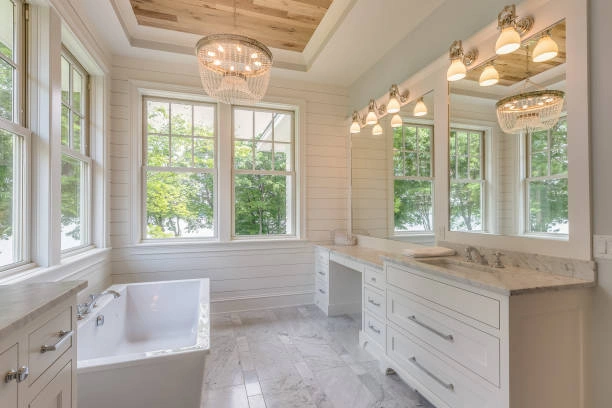
A team handling the Best Remodeling companies services in Seattle, WA matches material picks to your daily life rather than pushing the same products across every home. Quartz counters from brands like Cambria, Caesarstone, and Silestone hold up well to Pacific Northwest moisture. Luxury vinyl plank flooring handles wet boots and dog claws far better than hardwood in entryways and kitchens. Acrylic-based exterior trim paints last longer than oil-based products through wet winters.
| Project Type | Typical Timeline | Disruption Level | Best For |
| Bathroom remodel | 3-5 weeks | Medium | Aging fixtures, mold issues, layout fixes |
| Kitchen remodel | 6-10 weeks | High | Daily friction, dated layouts, resale prep |
| Whole-home remodel | 4-8 months | Very high | Major upgrades, long-term ownership |
| ADU / Addition | 6-12 months | Very high | Rental income, family expansion |
The remodeling sequence from first meeting to final walk-through
Every remodeling project moves through roughly the same stages, no matter the room. Knowing each step helps first-time owners spot a contractor who rushes the planning side, which is where most stressful projects start.
Initial consultation kicks things off. The contractor visits your home, listens to your goals, measures the space, and looks for hidden issues like outdated wiring or undersized framing. This visit should be free. If a contractor charges for the first look, ask why.
Design and material selection follow. You sit down with samples, layout drawings, and a written scope of work. This stage usually takes two to six weeks for a single-room project and longer for whole-home work. Rushing decisions here almost always leads to change orders during construction, since one missed dimension can throw off the whole island.
Permitting comes after the design freeze. The Seattle Department of Construction and Inspections requires permits for any plumbing relocation, electrical changes beyond fixture swaps, structural work, or additions. Standard residential remodel permits currently take four to eight weeks to process, and structural projects can stretch to twelve or more. Your contractor should handle this paperwork for you.
Demolition and rough-in kick off the build phase. Old fixtures and cabinets come out, walls open where needed, and rough plumbing, electrical, and HVAC work happens before drywall goes back up. A licensed contractor in Seattle put it plainly: “Catching a code issue at rough-in costs a few hundred dollars. Catching it after drywall costs thousands.”
Finish work and final walk-through close out the project. Drywall, paint, flooring, cabinets, counters, tile, and fixtures all install in sequence. A team offering Reliable Remodeling services in Seattle, WA wraps with a punch-list walk-through where every minor touch-up gets noted and handled before final payment changes hands.
Budget drivers and selecting a Seattle contractor
Two remodels with similar square footage can land at very different price tags. The drivers come down to scope depth, material selection, and what hidden work demolition uncovers along the way.
Factors that shape your Seattle remodel budget
Kitchen and bath bids can be heavily weighted on cabinetry and built-in millwork. Ready to assemble units help save on costs. The semi-custom options are in the middle Custom shops create builds that fit exact dimensions, however, move the timelines to twelve week, plus. Choosing cabinets first provides an actual anchor for the rest of the budget.
Layout modifications propel the second greatest variable. You can save costs if you keep plumbing and electrical where they are. Shifting a sink to another side of the room, removing a wall between kitchen and living room, or adding a primary bath in a location where none existed all results in structural, plumbing, and electrical scope.
Older homes have benefits many first-time buyers overlook. Homes constructed prior to 1960 likely contain knob-and-tube wiring, galvanized plumbing, undersized panels, or original flooring adhesives containing asbestos. The current code compel the upgrades once a wall is opened. With a ten to fifteen percent contingency in your budget, you can handle these finds without panic.
The labor markets around Seattle have been tightening recently. A new survey by the Associated General Contractors of America details the struggles that the construction industry is going through currently regarding hiring. Consequently, increasing pressure is being mounted that raises wages and timelines for skilled trades.
How to vet a contractor as a first-time owner
Start with credentials. Verify the contractor’s L&I registration on the Washington State Department of Labor and Industries website, check active bond status, and confirm general liability insurance. Any pushback when you ask for these documents tells you something important right away.
References tell the rest of the story. Ask for three completed remodels from the past two years in Seattle, Shoreline, or Burien, then call those homeowners. Did the crew show up on time? How did they protect the rest of the house during the demo? How did they handle a hidden surprise once walls opened?
A contractor working only on remodels across the Seattle area, such as Washington Custom painting and remodeling, will already know how the city’s permit office handles each kind of project, which materials hold up through our wet climate, and which subcontractors deliver on schedule. That focused background often beats hiring a handyman crew or a national chain that subcontracts the actual labor to whoever is free that week.
Read every estimate carefully. The Best Remodeling companies services in Seattle, WA spell out cabinet brand and line, counter material and edge profile, appliance specs, demolition scope, permit handling, and warranty in writing. Vague bids hide gaps that turn into change orders by week three.
FAQ’s
How long does a typical remodel take in Seattle?
In the city, once the permits clear, bathroom remodels usually take three to five weeks. Kitchens usually take six to ten weeks. Depending on the scope of the renovation and any structural work involved, a whole-home renovation can take four months to a year. After permitting scrutiny and material orders, crews may commence site activities.
Is a permit required for remodels in Seattle, for example?
The city requires a permit if you are relocating plumbing, changing electrical, structural work, or adding elements to the building. You usually don’t need a permit for cosmetic refreshes like paint, flooring or cabinet refacing. Your contractor must pull all necessary permits in your name and schedule inspections.
What drives up Seattle remodeling costs beyond first-time owners’ expectations?
Older homes featuring knob-and-tube wiring, galvanized plumbing, or original adhesive asbestos will almost always add scope once demolition starts. Changes to layout structure, designer tile, and premium cabinets raises budgets. Labour markets across the metro are tight and that can stretch timelines affecting the carrying cost and pricing of longer projects.
What remodeling materials withstand the wet Pacific Northwest climate best?
Counters made from Cambria or Caesarstone will not stain; they don’t require sealing. Luxury vinyl plank flooring never cares about wet boots and dog claws. Porcelain tile does not break or wear down. Acrylic approach latex and oil-based paint systems to take on the long damp season better than the older systems.
How can I tell if a remodel quote in Seattle is too low to trust?
Bitterly low bids skip critical details Take note of the missing cabinet brand and line specifications, the absence of permit language, the vagueness of the demolition scope, the lack of a written change-order process, and the absence of warranty terms. An entirely accurate proposal contains a letter that names every material that is major, defines the labour scope, and lists the timeline assumptions, making it as compatible as possible to allow for fair side-by-side comparisons.
Conclusion
The most important factors for a good remodel are picking a good team, confirming selections during design, and reading every proposal before signing anything. Be sure to check L&I registration, local references, and budget a small contingency for the surprises older Seattle homes can hold. Due to age of dwellings, timing of permits, and moist environment a city is rewarding to proactive owners. When you are ready to move forward, call Washington Custom painting and remodeling to schedule a free consultation. The team can guide you on project options and realistic timelines free from pressure.